



A new study conducted by RoadSafetyUAE and Al Wathba Insurance has revealed that traffic congestion remains a significant concern for UAE motorists, impacting their emotional well-being and daily routines. Conducted in June 2025 with a representative sample of 1,021 respondents across the UAE, the study sheds light on drivers’ experiences, behaviors, and attitudes toward road congestion.
According to the survey, 86% of respondents typically encounter traffic congestion, with Dubai and Sharjah reporting even higher rates of 91% and 90%, respectively.
Furthermore, 80% of respondents indicated experiencing more congestion this year compared to last year, particularly pronounced in Dubai at 85%.
The emotional toll of traffic congestion is substantial, with almost half (47%) of respondents expressing frustration, annoyance, stress, or anxiety when trapped in traffic. These emotions are notably stronger among female and younger drivers. Conversely, 29% report feeling indifferent or calm, while 19% admit feeling bored or restless. Interestingly, a small minority (5%) even enjoy the downtime during congestion.
Behaviorally, aggressive driving remains an issue, with only 18% stating they ‘hardly ever’ witness rude or aggressive behavior in traffic. This figure drops further to 15% in Dubai. More than one-third of respondents regularly observe aggressive behavior, while almost half report encountering it occasionally.
The study also highlights the UAE’s heavy reliance on road transportation, with 92% of respondents using their own cars, buses, minibuses, or taxis daily. Only 8% use alternative modes such as the metro, eScooters, bicycles, or eBikes. Personal cars remain the predominant mode of transportation, with 60% using their vehicles daily.
Additionally, the study examines car occupancy levels, revealing that over half (54%) of drivers travel alone, with Sharjah recording an even higher rate of 62%. Increasing car occupancy levels, especially in high-congestion areas like Sharjah, presents a potential solution to reduce overall traffic. Notably, Dubai shows the highest car occupancy rates, with 43% of drivers typically carrying one or two passengers, highlighting a possible model for other emirates to follow.
Muralikrishnan Raman, CFO of Al Wathba Insurance, emphasized the importance of understanding motorist needs: “We want to give the concerned traffic participants a voice. We need to understand their feelings and perceptions with regards to the omni-present traffic congestion. We need to understand how much they depend on road transportation.
“As one of the leading motor insurers in the UAE, and a customer-centric organization, we are committed to staying relevant to the evolving needs of our customers and improving their daily lives. This is the reason why we teamed up with RoadSafetyUAE on this important research project.”
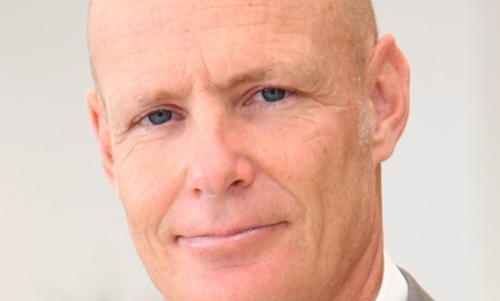
Thomas Edelmann, Founder of RoadSafetyUAE, added: ““For most, traffic congestion means high levels of stress and frustration. This can cause misbehavior which carries the risk of accidents. Hence, from a road safety perspective, traffic congestions should be avoided. Testimony to that, UAE motorists notice a lot of rude or aggressive behavior in traffic jams and hence, the awareness for polite and caring manners must be raised.
“The dependency on road transportation is extremely high in the UAE and we need to find ways to reduce this dependency and a s consequence reduce the number of vehicles on the roads. Especially, considering the high number of motorists traveling alone in their cars without passengers.”
The research underscores the need for strategic interventions to alleviate congestion, improve motorists’ experiences, and enhance overall road safety across the UAE.

