



The outbreak of Operation Epic Fury on February 28 this year has triggered a significant drop in commercial vehicle activity across the Middle East’s logistics corridors, according to research by fleet digitalisation platform Wialon.
The collateral impact of military strikes and damages to strategic infrastructure on regional commerce in the region has been immediate and profound. Total fleet movement across the Gulf region has contracted by 20.6%, shows Wailon’s data analysis.
Wialon monitored and analysed real-time data from over 50,000 commercial vehicles connected to the Wialon software platform throughout the region, in Bahrain, Cyprus, Egypt, Iraq, Israel, Jordan, Kuwait, Lebanon, Oman, Palestine, Saudi Arabia, Qatar, Turkey, UAE, and Yemen.
The decline in activity is visible in the top five countries (Saudi Arabia, UAE, Kuwait, Lebanon, and Iraq), where the total number of connected vehicles has remained relatively stable, but the distance travelled per unit dropped sharply.
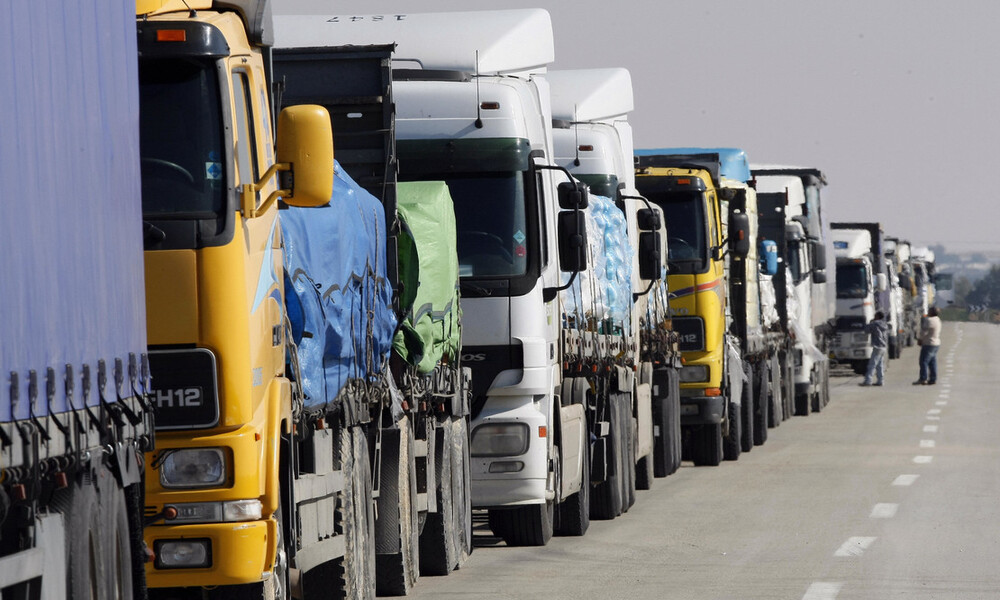
Dramatic shift in fleet operations
The conflict has forced a dramatic shift in fleet operations: while the number of connected vehicles in the region has remained stable, their actual utilization has decreased by over 20%. The regional average weekly mileage per vehicle plummeted from 935 km in the final week of February to just 756 km by the third week of March. This indicates that while fleets remained “online”, they were facing increasing operational restrictions.
“The data reveals a stark reality: while fleets remain technologically “online” and visible through the software, the operational environment on the ground has rendered movement increasingly difficult,” says Aliaksandr Kuushynau, Head of Wialon.
Across the region, the fleet management platform recorded a massive drop in total movement: from 46,697,957 km per week before the strikes, to 37,081,884 km in the week 21-23 March. This represents a total contraction of 20.6% in distance covered.
The UAE, a major hub for global trade, recorded the most significant decline: average mileage per vehicle dropped by nearly 27%. This sharp decline was likely due to retaliatory strikes on infrastructure and the suspension of operations at key ports.
In Saudi Arabia, commercial fleets monitored on the Wialon platform saw a 15.4% decrease in activity, signaling a broader regional slowdown and increased operational risks.
The conflict has had further impacts outside the immediate Gulf countries, with Egypt experiencing a “surge and crash” in commercial fleet vehicle activity: mileage peaked in the first week after the conflict at 1,299 km per unit (an 11% increase over the week prior to the conflict), followed by a massive 36.6% crash in the week 16-23 March as the regional crisis deepened and drastic emergency measures were implemented.
Wialon is a global platform for fleet digitalization with over four million fleet vehicles connected in more than 160 countries.
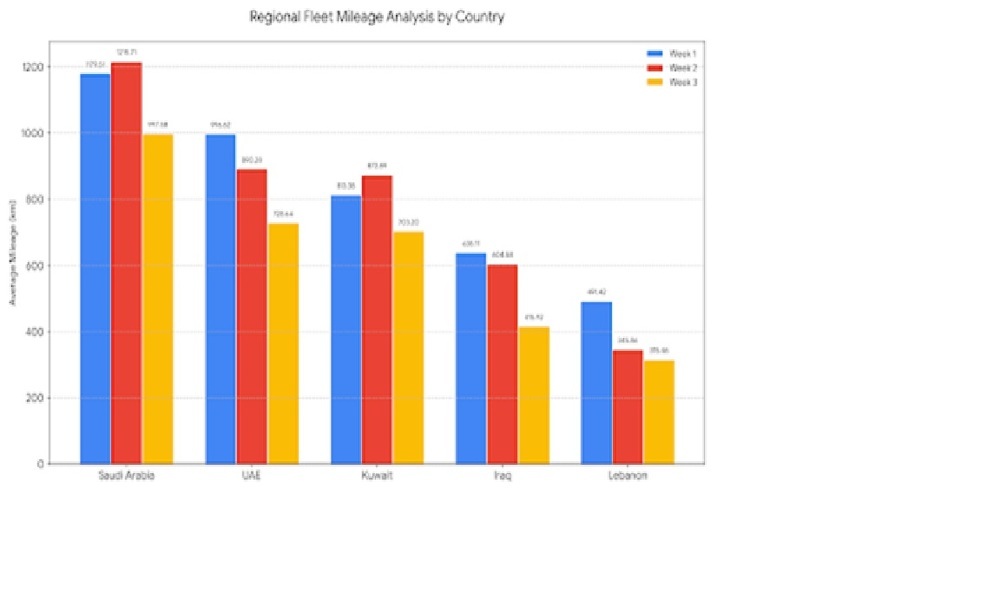
Timeline of the Crisis: Tracking the Downturn
To capture the impact of the disruption, Wialon specialists analysed fleet data from three critical phases:
Week 1 (Feb 21 – Feb 28) established the baseline of normal commercial activity prior to the outbreak of the conflict.
Week 2 (Mar 1 – Mar 8) captured the immediate shockwaves following the initial U.S. and Israeli strikes, characterized by early Iranian retaliation and rising infrastructure threats.
Week 3 (Mar 16 – Mar 23) data reflects a state of sustained regional crisis, as the formal closure of the Strait of Hormuz and the systematic targeting of data infrastructure forced logistics networks into a defensive standstill.

