


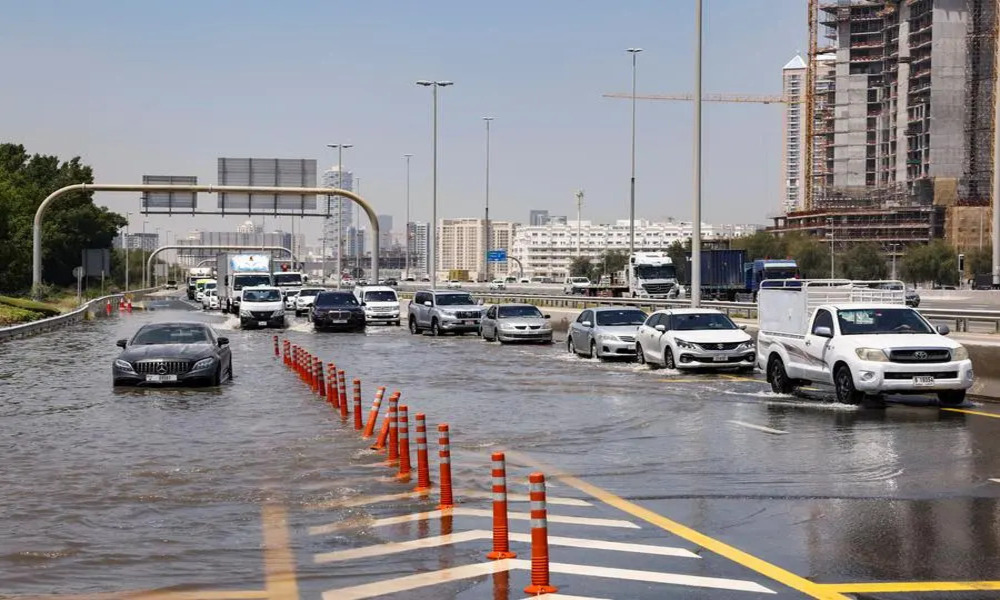
Motorists in Dubai will soon receive instant, real-time alerts warning them of water buildup on roads, as part of a new system designed to improve safety and reduce disruption during heavy rain.
Dubai’s Roads and Transport Authority (RTA) has introduced a unified communication platform that monitors flooding across the emirate in real time. The system combines smart technology with updates from field teams to ensure drivers are quickly informed about hazardous conditions.
Explaining the system, Mohammed Al Ali, Director of the Enterprise Command and Control Department and Second Deputy of the Crisis and Emergency Team at RTA, explained: “We studied past rainfall and flooding, identified high-risk areas, and prepared targeted plans for pumps and tankers.
“Smart systems now help us react faster, reduce traffic delays, and keep roads safer with real-time updates and instant alerts to drivers.”
Field tracking and updates
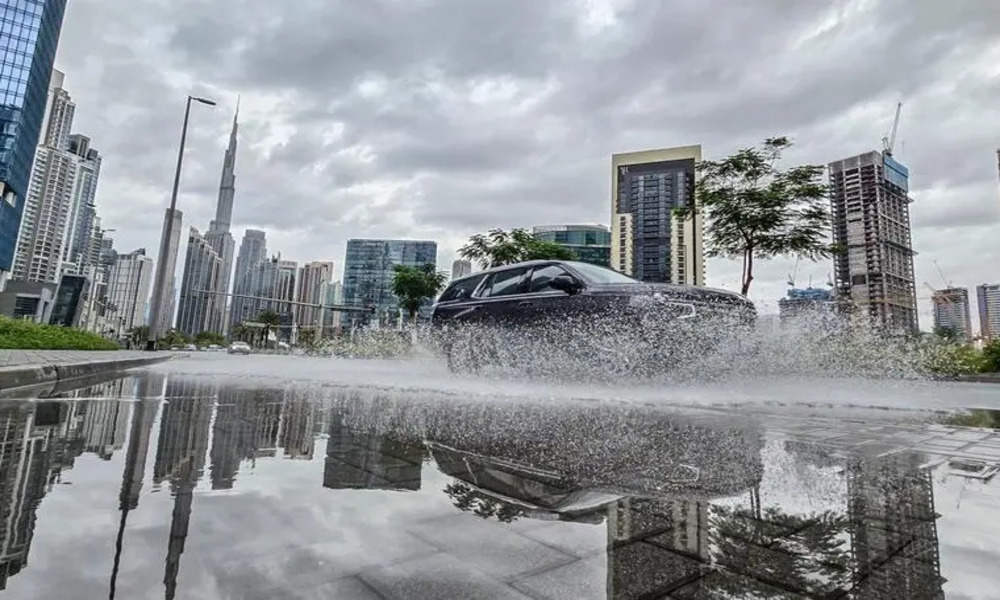
At the core of the initiative is a platform that tracks water accumulation across Dubai’s road network. Field teams and relevant departments continuously feed updates into the system, allowing RTA staff and emergency services to stay aligned on current conditions.
“The data is simultaneously monitored and stored through advanced smart systems, allowing accurate record-keeping and supporting future analysis and planning,” Al Ali said.
He explained that the system enables faster, better-informed decisions, with road closures used only when “absolutely necessary” to ensure safety. When closures are required, drivers are redirected to alternative routes to keep disruptions to a minimum.
The system is backed by a wider operational strategy that divides Dubai into dedicated flood-response zones. Each zone is assigned a team equipped with over 500 tankers, 380 pumps, 100 emergency vehicles, and 1,300 technical staff.
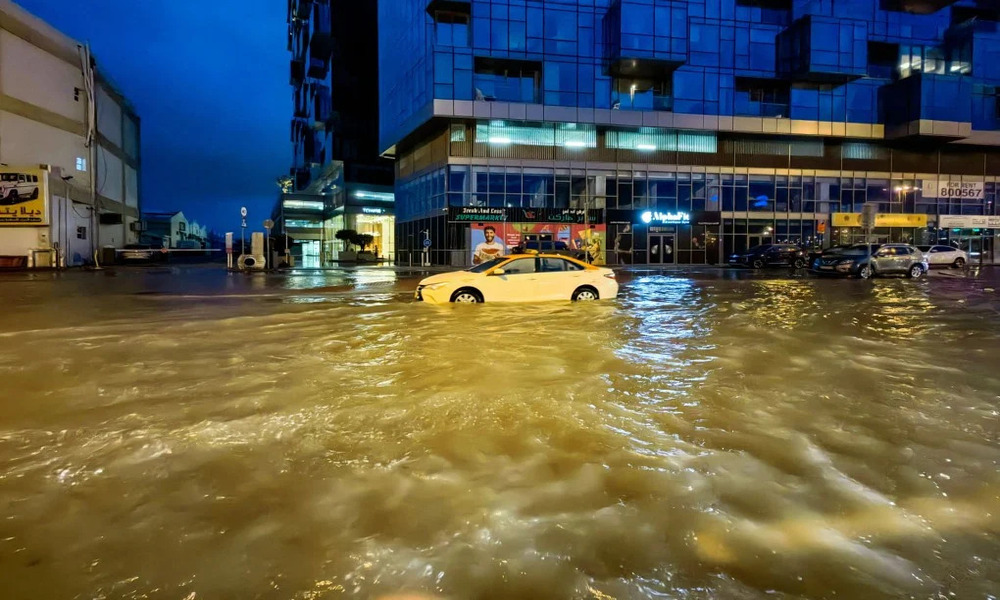
This approach follows the record rainfall of April 2024, when around 250mm fell within 24 hours – more than the UAE typically receives in a year. The storm caused widespread disruption, flooding roads and forcing temporary closures of several Dubai Metro stations.
Investing in flood-prevention infrastructure
Alongside emergency response measures, Dubai is investing in long-term flood prevention infrastructure. Planned upgrades will cover 30 key areas spanning 430 million square metres, supporting a projected population of three million by 2040.
A central element of the plan is the Joint Weather Conditions Command Room, where RTA coordinates operations using real-time data. Teams monitor live updates, handle emergency calls, and work closely with other agencies.
“Representatives from each RTA transport mode are also present to share real-time updates on public transport, roads, and services,” Al Ali said. “In addition, strategic partners such as Dubai Police, Civil Defence, and Ambulance teams work alongside us. This setup ensures accurate information flow, fast decision-making, and immediate support when needed — helping us manage traffic efficiently during any situation.”
Infrastructure improvements have also been introduced following the 2024 floods, including protective barriers at vulnerable Metro stations and fixes to previously identified weak points.

